
The Targeting Trap
Most B2B companies fall into a common trap: they believe hyper-targeting their ads will lead to better results. The reality? This approach often leads to wasted budgets and missed opportunities.
Why Platform Targeting Falls Short
Every major advertising platform has inherent limitations that make perfect targeting impossible:
- LinkedIn's targeting system struggles with job titles, often grouping dissimilar roles under broad "supertitles".
- Google Ads combines different products and services into generic categories.
- Meta's professional targeting relies on outdated or inaccurate job title data.
- Reddit's subreddit targeting lacks the precision needed for B2B campaigns.
The ABM Paradox
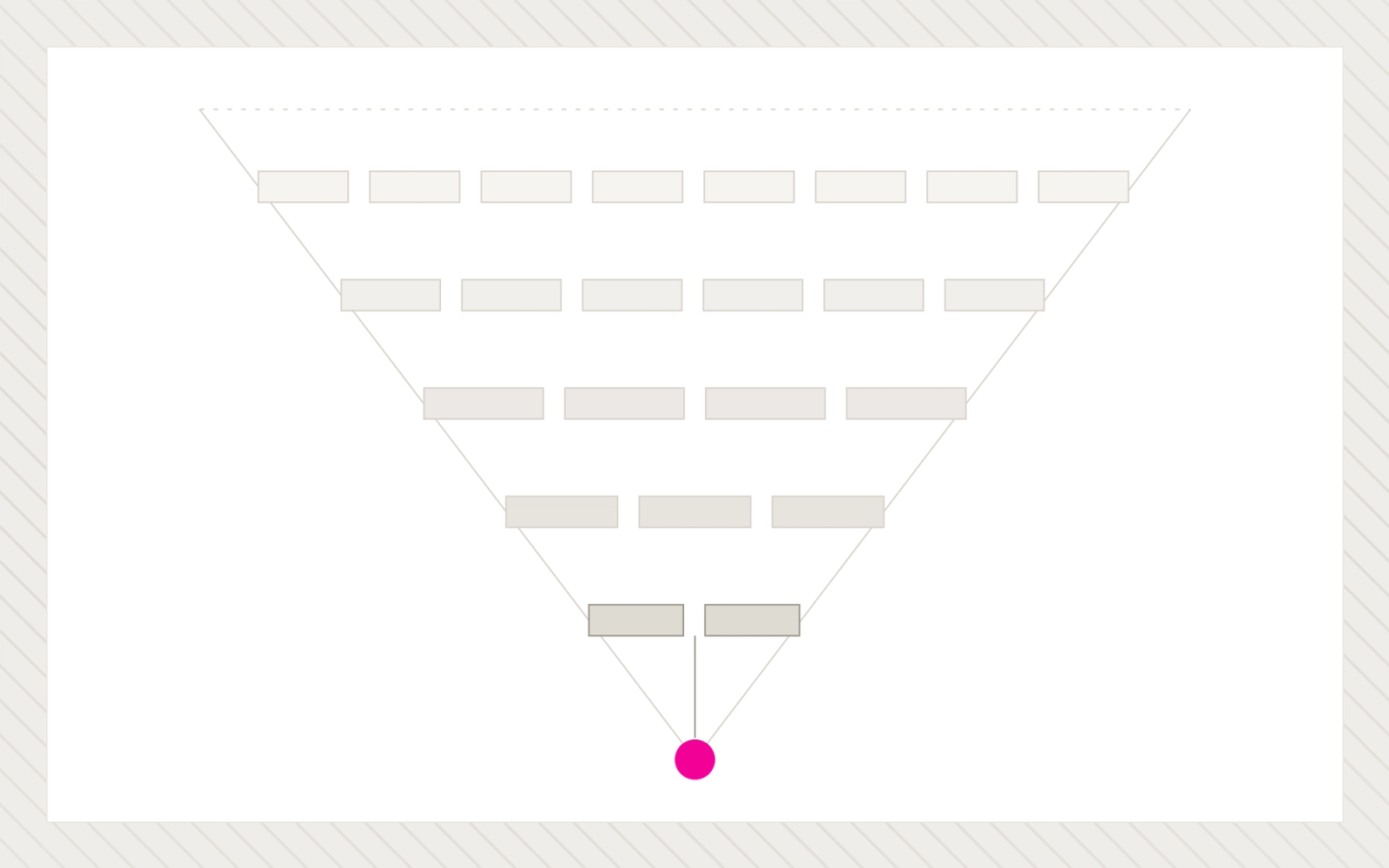
Consider this scenario: You're running an Account-Based Marketing (ABM) campaign targeting 100 specific accounts. If only 5% of these accounts are actively looking to buy at any given time, you're spending significant resources to reach just 5 potential buyers. Even worse, those few ready-to-buy accounts might have already chosen your competitor.
A Better Approach to B2B Targeting
Instead of chasing perfect targeting, we need to focus on reaching enough qualified buyers. Here's how:
- Prioritize reach over targeting precision.
- Test multiple targeting combinations across different platforms.
- Create messaging that addresses pain points rather than speaking to specific titles.
- Use intent data to identify accounts actively researching solutions.
- Accept that some waste is inevitable and necessary.
The Reality of B2B Marketing
Marketing isn't about finding magical targeting combinations - it's about effective communication at scale. Most SaaS companies operate with limited resources and runway. We can't afford to keep making these targeting mistakes.
The Path Forward
The solution isn't narrowing your focus - it's broadening your approach while maintaining quality. Balance is key. We need enough reach to generate pipeline while ensuring our message resonates with potential buyers.
Remember: Marketing is a means of communication, not a perfect science. The goal isn't to eliminate all waste but to generate enough quality pipeline to drive growth.
By accepting imperfect targeting and focusing on reaching enough of the right buyers, we can build more effective B2B marketing campaigns that actually deliver results.