A recent report from SocialInsider analyzed 1.3M LinkedIn posts and claimed that video views dropped 36% year-over-year on the platform; check it out HERE.
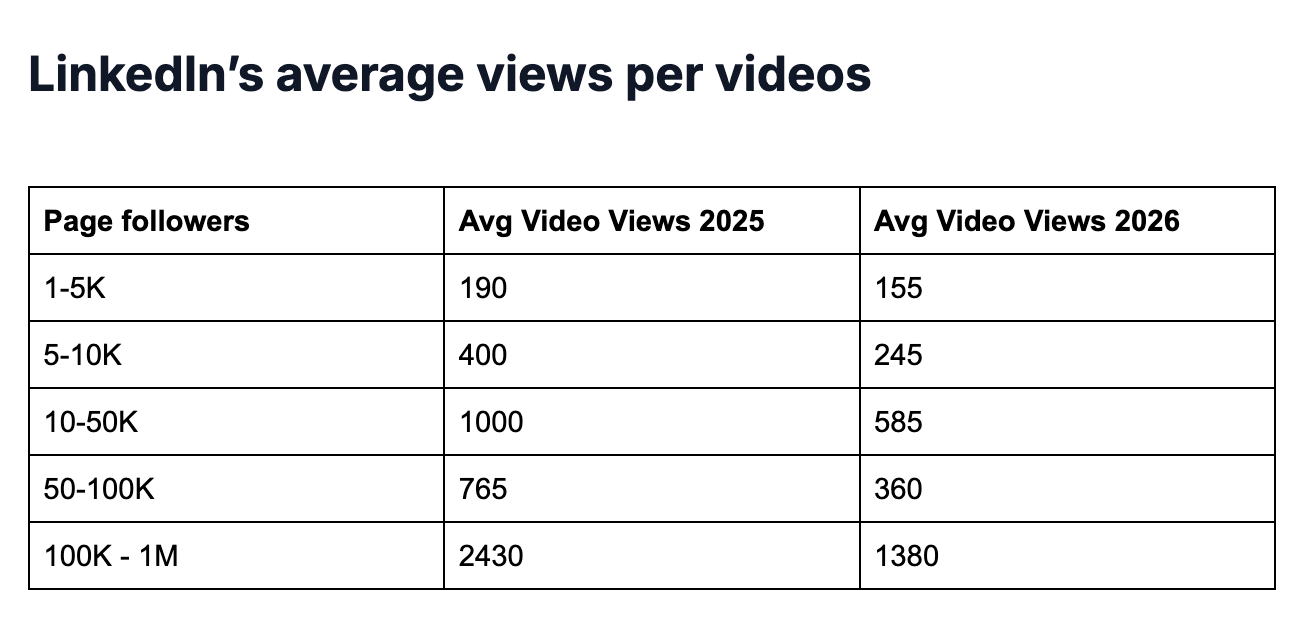
Source: Social Insider
Your immediate reaction might be, "Do we need to change how much money we put behind certain ad formats and objectives?"
The reality is there's a lot more nuance around video views being down that’s worth talking about.
In this post, I’ll cover:
• Why declining video views don't tell the complete story
• Evidence that content format diversity is becoming essential
• How leading brands are adapting their LinkedIn strategy
• Practical tests to optimize your content mix
Why declining video views don't tell the complete story
The SocialInsider report that sparked this conversation analyzed 1.3 million LinkedIn posts and found that the average number of video views per post dropped significantly. But this metric alone misses critical context about what's actually happening on the platform.
Over the same period that video views declined, several other changes occurred simultaneously:
- Brands dramatically increased their video posting frequency.
- More creators entered the LinkedIn ecosystem (thanks to all the LI influencers saying you need to get active for years).
- Paid ads began occupying more feed inventory (thought leader ads are almost a requirement for extending reach these days)
- LinkedIn continued refining its algorithm to prioritize content that generates meaningful engagement rather than passive consumption
When content supply outpaces available user attention, average views per post will naturally decline, even if users maintain consistent engagement with video content. This is basic supply-and-demand dynamics applied to social media distribution.
A good example would be the number of streaming services available right now.
You have Netflix, Paramount, Disney, and so many other streaming platforms creating an unbelievable amount of content.
You didn't suddenly get eight hours more in the day to watch all this content, so now your attention is spread across way more content, which in turn decreases views.
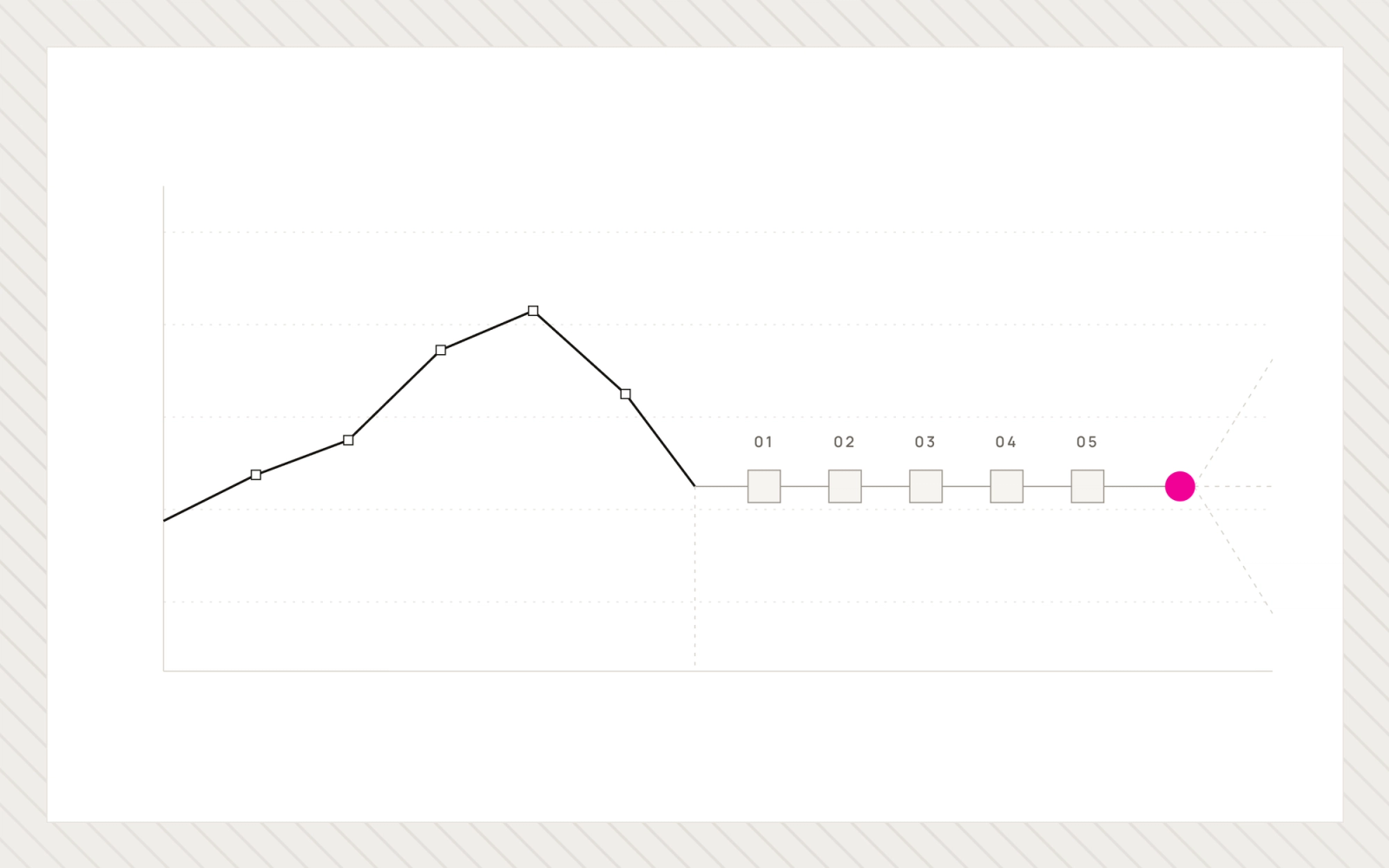
More telling is what happened when we normalized video performance by impressions rather than raw view counts. Across Omni Lab's portfolio of B2B SaaS brands, we analyzed paid video performance from January to May 2025.
When accounting for impression volume, video view rates remained relatively stable, oscillating between 30-40% month over month with slight increases in some periods.
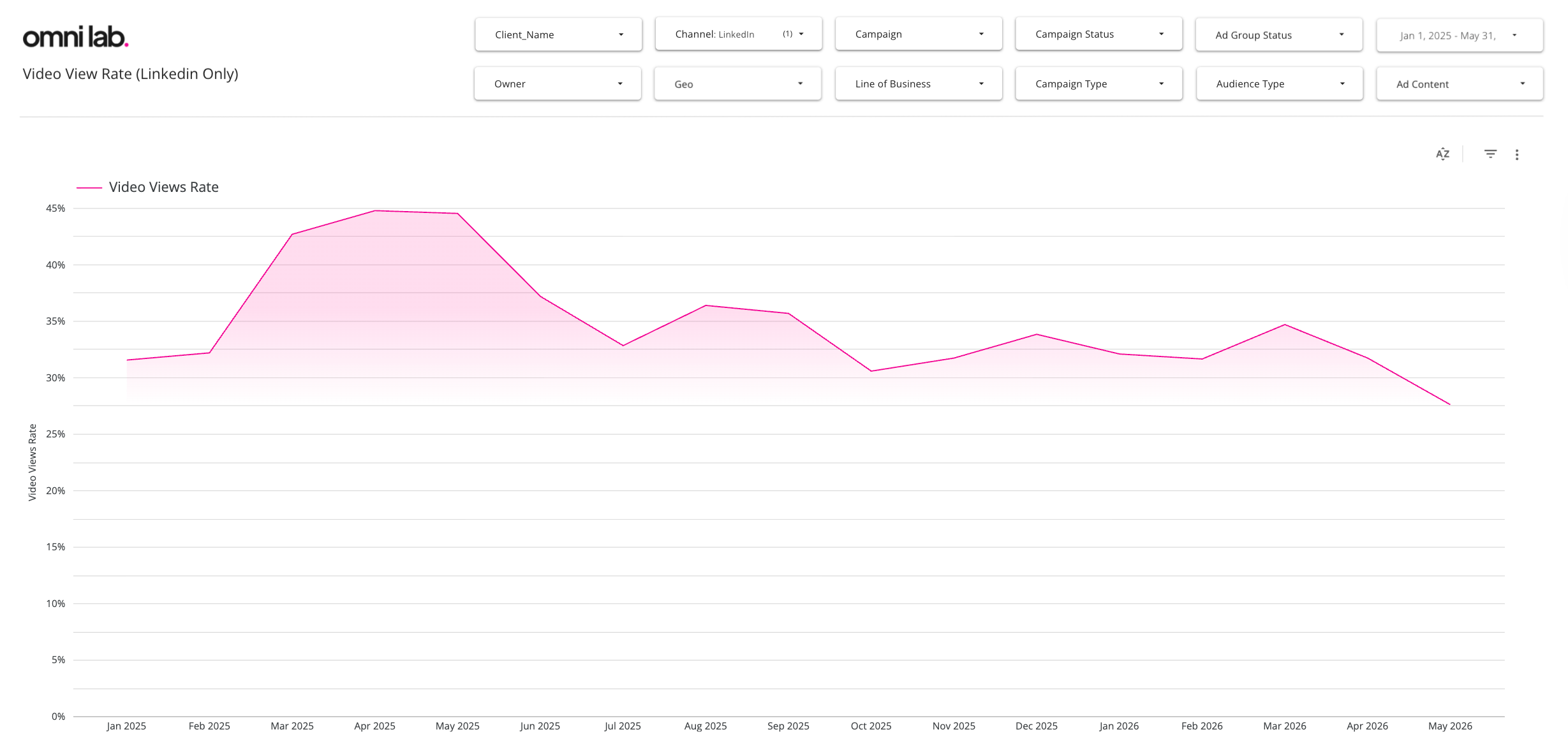
Source: Omni Lab | N=35
This suggests that users haven't suddenly stopped consuming video content. Instead, distribution per individual post has become more diluted as competition for attention has intensified.
Evidence that content format diversity is becoming essential
The same report that highlighted declining video views revealed another important pattern. While video views dropped, video engagement rates actually increased year-over-year. Text posts saw even greater engagement growth. Document carousels led overall engagement at 7%.
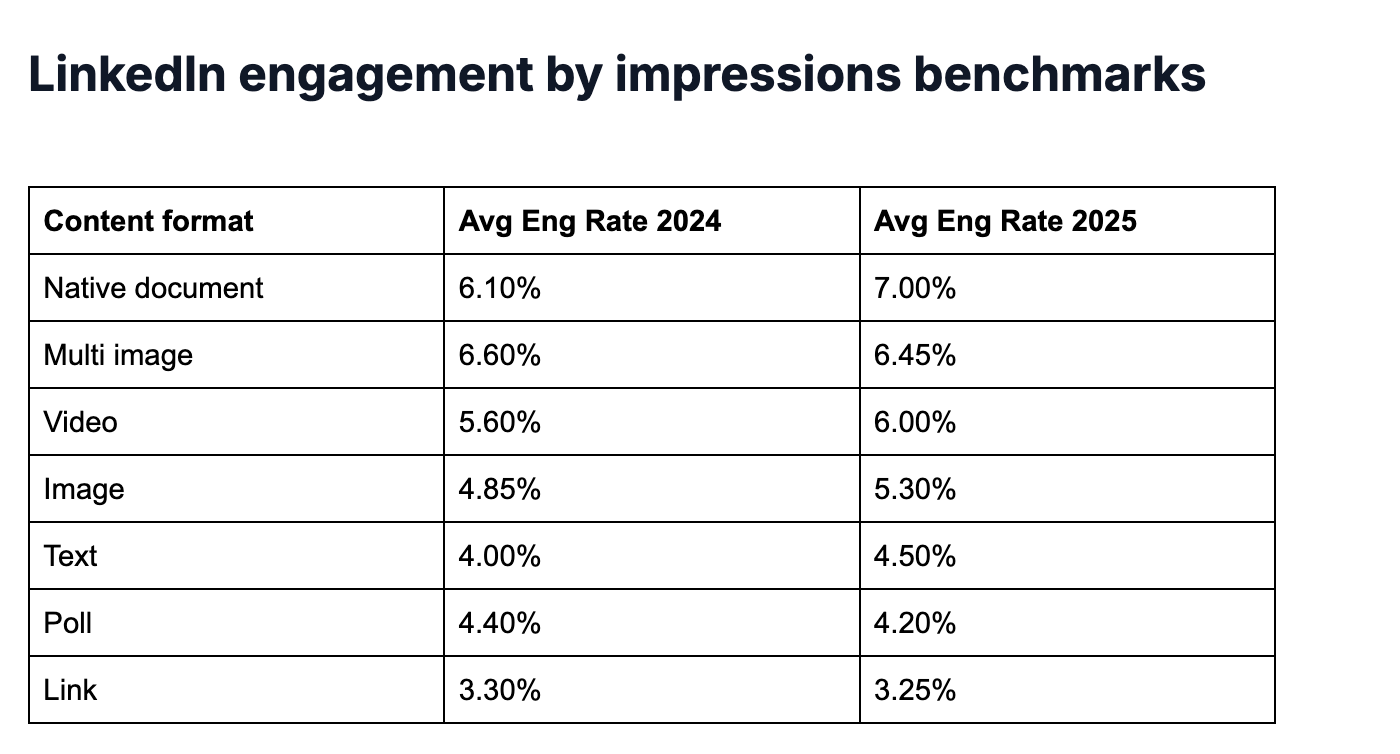
Source: Social Insider
These trends point to a fundamental shift in how LinkedIn's algorithm evaluates and distributes content. The platform appears to be moving beyond simple autoplay engagement signals toward metrics that indicate genuine value and intent.
Document carousels perform well in this environment because they naturally drive behaviors the algorithm now prioritizes. Users spend more time viewing each slide, actively swipe through content, save posts for later reference, and often return to carousel content multiple times. These actions signal depth of engagement rather than passive consumption.
Text posts benefit when they present clear opinions or contrarian viewpoints that generate substantive discussion. The algorithm increasingly rewards content that creates meaningful dialogue in the comments rather than surface-level reactions.
Video content still performs when it's designed for the current algorithm priorities. The most effective video content combines strong written frameworks with visual information, creates genuine value rather than entertainment, and encourages viewers to engage meaningfully rather than scroll past.
How the brands we work with are adapting their LinkedIn strategy
Forward-thinking B2B teams are responding to these platform changes by diversifying their content portfolio rather than abandoning specific formats entirely. The most successful approaches we've observed follow several key principles.
First, they match the content format to the user's context and intent. Video works well for complex explanations, product demonstrations, and thought leadership where visual information adds clarity. Text performs better for opinion-led content, industry observations, and frameworks that spark discussion. Document carousels excel at presenting step-by-step processes, research findings, and reference materials that users want to save.
Here's an example from Confluent (WorkStream) using UGC-style problem-benefit-outcome-based storytelling. Check it out HERE.

Second, they optimize each format for in-feed consumption rather than driving traffic away from LinkedIn. This means creating content that delivers value without requiring users to click external links, watch lengthy videos, or navigate to other platforms. The goal is to provide complete value within LinkedIn's native environment.
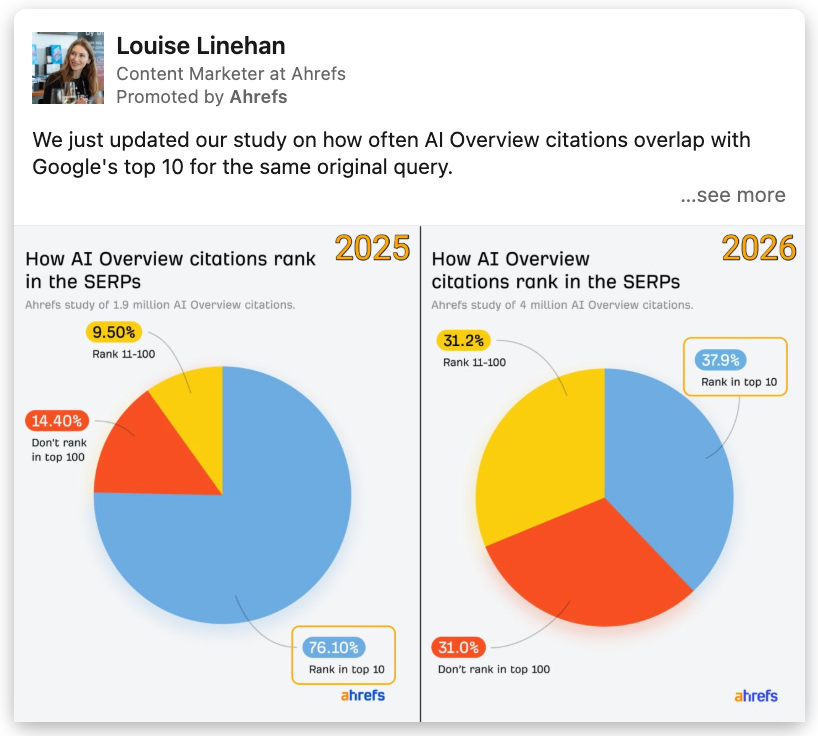
I think Ahrefs is a classic example of a great brand that does an awesome job optimizing for in-channel consumption.
Third, they focus on building a distinctive brand presence across all content types. Rather than chasing viral content or mimicking competitor approaches, they develop consistent points of view that make their content immediately recognizable. This helps build buyers' mental availability when they eventually enter the market.
Fourth, they treat content performance as part of a broader demand generation system rather than optimizing for individual post metrics. The goal isn't maximum engagement on every piece of content, but rather systematic brand building that influences buyer behavior over time.
Sam Kuhnle said it a while ago, but "you have to think about your paid media mix as more of an ecosystem of content vs. separate siloed plays."
Practical tests to optimize your content mix
Start by auditing your current content distribution across the past 90 days. Calculate what percentage of your posts fall into each major format category: video, text-only, document carousels, single images, and link posts. Most teams discover they've unconsciously over-indexed on one or two formats; usually, it’s single-image ads.
Test a more balanced content calendar for the next month. Track engagement rates, save rates, and comment quality rather than just view counts or total reactions.
Experiment with creating content specifically designed for in-feed consumption. For video content, this means adding captions that work without sound, creating hooks within the first 3 seconds, and including clear calls to action in the post text rather than expecting viewers to watch until the end. For document carousels, focus on one key insight per slide with minimal text and clear visual hierarchy.
Develop format-specific content themes that play to each medium's strengths. Use video for behind-the-scenes content, product demos, and interviews. Reserve text posts for industry observations, contrarian takes, and frameworks. Create document carousels for research summaries, step-by-step guides, and comparison content.
Most importantly, start measuring content performance as part of your broader demand generation program. Track how different content types influence pipeline generation, sales cycle length, and deal size rather than optimizing solely for in-platform engagement metrics. That doesn't mean how much pipeline this one blog post generates, but more across your entire content program
Last note... another way to de-risk making great content is to see what's already resonating well organically on the channel.
I did this the other day, by:
- Seeing a post in the feed
- Taking a snapshot
- Then putting my narrative filter on top