A Director of Marketing at a B2B SaaS company asked me a question on a call last week that I hear in some form almost every month: "Leadership wants bottom-of-funnel leads now.
Would you still recommend a full-funnel plan that includes brand?"
It's the most common tension in brand vs demand capture for B2B SaaS teams.
The CEO wants pipeline this quarter. Brand campaigns don't show up in a last-click report. So brand looks like the obvious thing to cut.
This post covers how I answer that question, when cutting brand is the right call, what it costs, and how to frame the trade so leadership makes the decision with their eyes open.
The short answer: sometimes, yes, cut it
If the mandate really is 100% demand capture, I'd say so plainly and pull the campaigns aimed at people who aren't shopping yet.
That usually means thought leader ads, cold LinkedIn audiences, and Meta prospecting.
That isn't a betrayal of brand. It matches how we set budgets by stage. For a Series A company spending under about $50K a month on paid media, we often start around 80% demand capture and 20% brand.
The job at that stage is to prove ROI in capture first, then grow the brand layer as budget and confidence grow.
So the real question isn't "brand or no brand." It's whether leadership understands what a capture-only plan buys, and what it doesn't.
The bottom line: Pausing brand can be the right call. Pausing it without naming the trade is the mistake.
What brand vs demand generation actually means
Our operating model splits paid media into two objectives.
Demand capture reaches the buyers who are in market right now. Search, retargeting and direct response. It's judged on cost per opportunity, SQLs and pipeline.
Brand development reaches the buyers who aren't in market yet, so you're on their shortlist when they are. It's judged on reach, frequency, engagement and whether exposed accounts move through the pipeline faster.
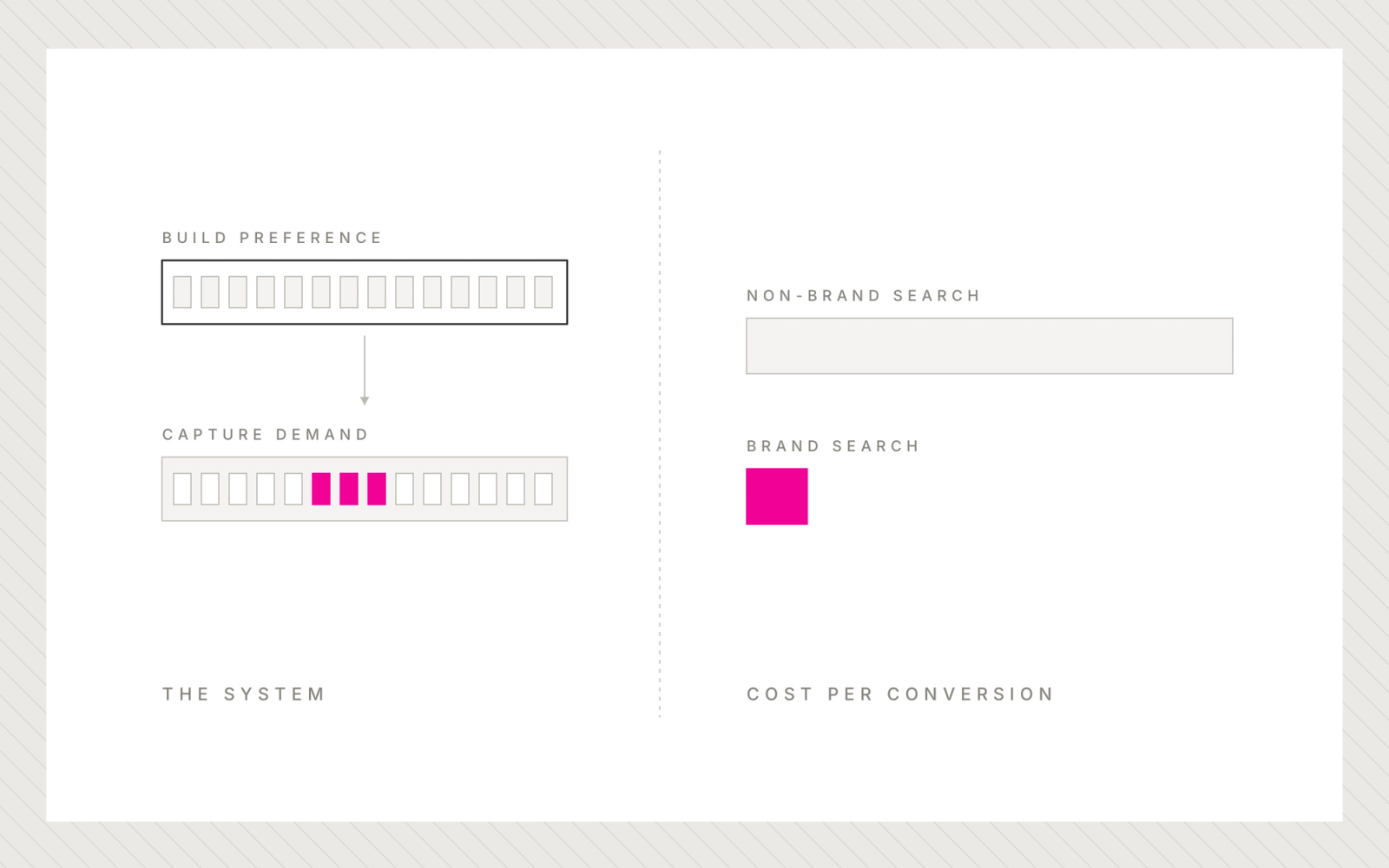
The reason both matter comes down to timing. Research from the LinkedIn B2B Institute and Ehrenberg-Bass suggests only about 5% of B2B buyers are in market at any given time. The other 95% are forming next year's shortlist. A capture-only program is built entirely for the 5%.
- Who it reaches Demand capture: The ~5% buying now; Brand development: The ~95% buying later
- Channels Demand capture: Google, Bing, retargeting; Brand development: LinkedIn, YouTube, Meta, Reddit
- Judged on Demand capture: Cost per opportunity, pipeline; Brand development: Reach, frequency, influence on pipeline
What a capture-only plan costs you
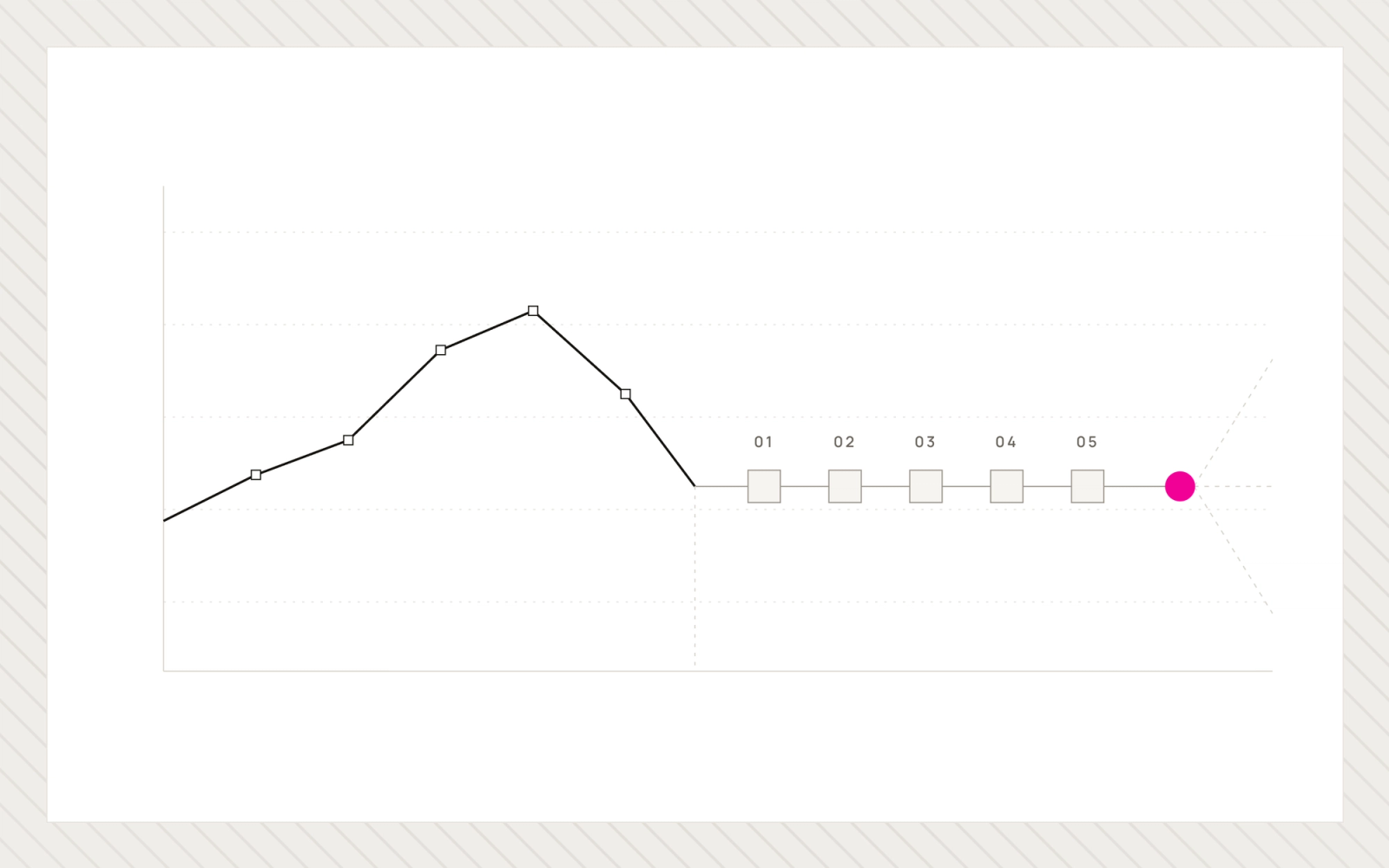
Capture-only programs tend to work, until they don't. You're competing with every other vendor for the same small pool of in-market buyers, and that pool doesn't grow because you spent more.
We see the cost of this in search data. Across 40 B2B SaaS accounts we manage, a non-brand search conversion costs about $980, while a brand search conversion costs about $125. That's nearly 8x. The gap is the real price of reaching buyers who don't know you yet.
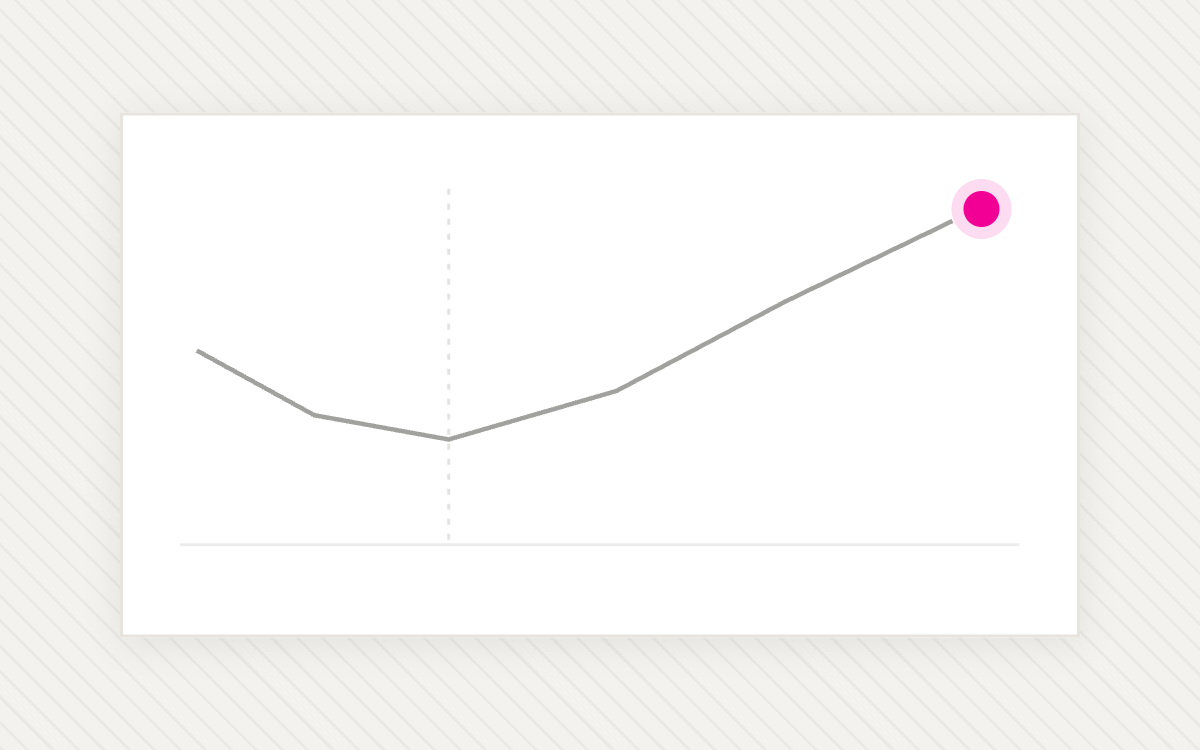
Brand is what narrows that gap over time. When buyers have already seen you on LinkedIn or YouTube, they search for you by name, click more readily and convert more cheaply. Cut the brand layer and you're betting that the cheap brand searches keep coming without anything feeding them.
I'd also be careful with what a strong brand search number is telling you. In one audit, a Series D company's branded search campaign produced 51% of its pipeline on 7% of spend. Leadership saw a program that was working. We saw a company living off buyers who already knew its name, with nothing in place to grow that group.
Why brand always loses on a last-click report
The reason brand gets cut first is usually measurement, not performance.
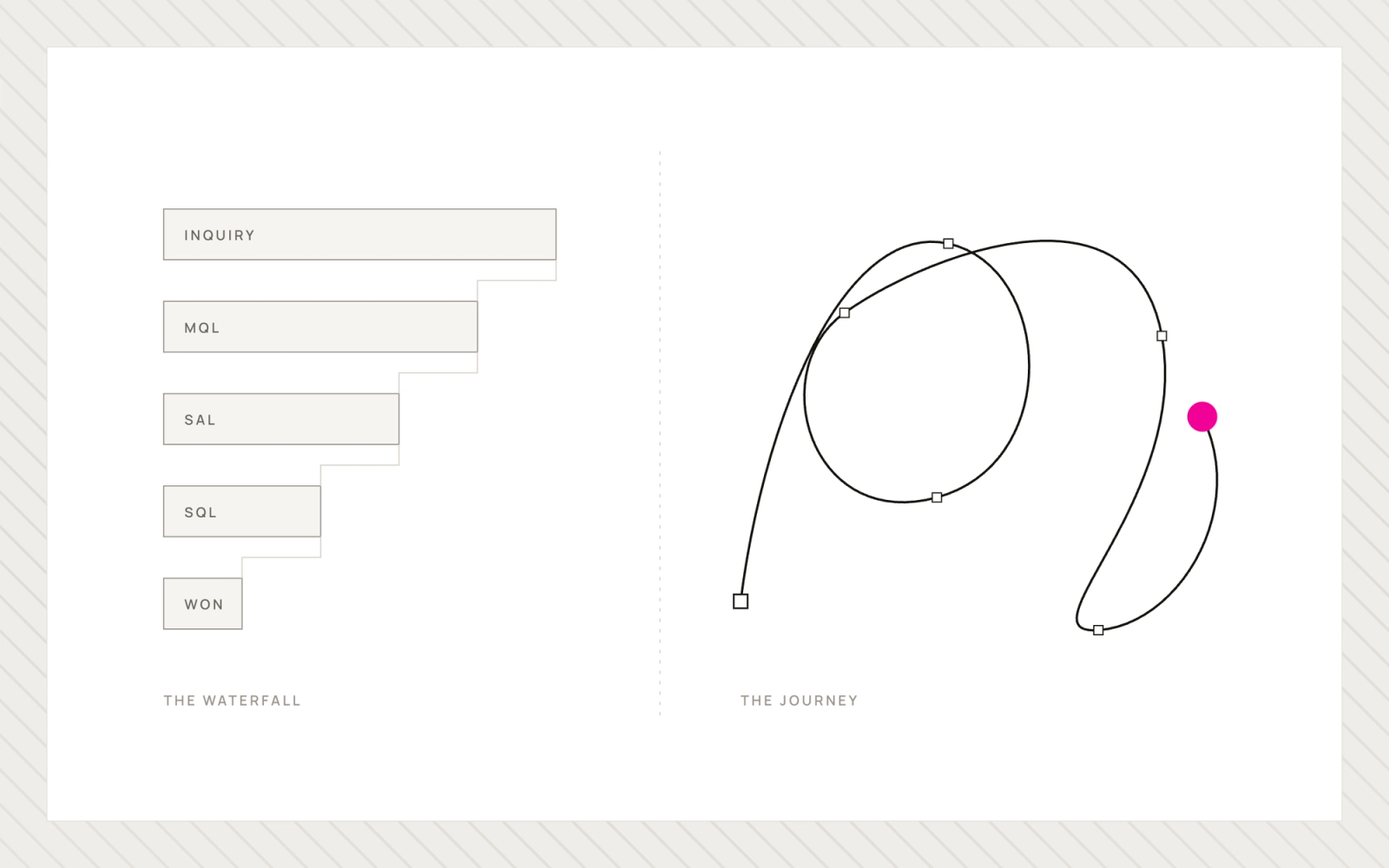
Put every channel on one yardstick, last-click conversions, and budget will always flow to Google and Bing. They sit at the end of the journey, so they get the credit. LinkedIn and YouTube look like waste because buyers rarely click a brand ad and buy the same day.
That's why we measure each channel by its job. Search is judged on pipeline. Social is judged on influence: reach into the ICP, frequency, engagement, and how accounts we reached perform against comparable accounts we didn't. In our experience, that influence data starts to show up in months three to six, which is exactly when impatient programs pull the plug.
How to answer leadership when they want leads now
When a CEO or board asks for leads now, I don't argue for brand in the abstract. I give them three things in one conversation:
- What going all-in on capture will do short-term. More budget on the highest-intent searches and retargeting, faster signal, cleaner attribution.
- What it will cost long-term. Rising cost per opportunity as you compete for the same 5%, and no one building preference with next year's buyers.
- My recommendation. Usually a capture-heavy plan with a small, always-on brand layer rather than zero.
If budget is truly tight, there's a middle path. Shrink the cold audience down to accounts showing intent signals, so the brand dollars you do spend go to the accounts most likely to buy soon. You keep a presence with future buyers without funding a broad awareness campaign.
Final thoughts
The pressure to show leads now is real, and sometimes the right answer is to lean almost entirely into capture. I'd rather say that out loud than defend a brand budget nobody believes in.
But brand and capture aren't two teams you pick between. Brand is what keeps capture affordable. Capture gets you this quarter's number, and brand shapes what that number costs next year.
Before you cut it, make sure leadership is choosing the trade, not discovering it six months later in the cost-per-opportunity line.